
Animal Noises in the Attic: What’s Making That Sound?
A homeowner’s guide to identifying wildlife in your attic by sound, time of day and season — and what to do next.
Strange sounds overhead are one of the most common — and most unsettling — problems homeowners face. The good news is that the type of noise, the time of day you hear it and even the season can tell you a lot about which animal is in your attic. Use this guide to narrow it down, check for other signs, and learn what to do next.
Find a Wildlife Removal Expert Near You
Quick Guide: Attic Noises by Time of Day
When you hear the noise is often the single best clue. Most attic animals are either active during the day or at night — very few are both.
| When You Hear It | What It Sounds Like | Most Likely Animal |
|---|---|---|
| Early morning & late afternoon | Running, scampering, scratching, nuts rolling | Squirrels |
| Right around dusk (and again before dawn) | Rustling, fluttering, faint high-pitched squeaks | Bats |
| All night | Light, quick scurrying; gnawing; scratching in walls | Rats or mice |
| Night, often after midnight | Heavy thumping like footsteps, chattering, growling | Raccoons |
| Night | Slow shuffling, occasional hissing | Opossums |
| Night | Light gliding thumps, chirping, scurrying | Flying squirrels |
| Daytime, especially spring | Chirping, flapping, scratching near vents | Birds |
Identify the Animal by the Sound
Scratching and Scurrying
Fast, light scratching and scurrying is the most common attic noise. If it happens during the day, think squirrels. If it happens at night, think rats or mice. Rodents also tend to travel the same routes along the edges of the attic and down inside walls, so you may hear the sound move from the ceiling into a wall.
Heavy Thumping or Walking
If it sounds like a person or a large dog is walking around up there, it’s almost certainly a raccoon. Adult raccoons can weigh 15–30 pounds, and their movement is slow and deliberate. An opossum can also make heavier, shuffling sounds, though it’s usually quieter than a raccoon.
Think it’s a raccoon? Here’s how to get a raccoon out of your attic safely.
Rolling Sounds
A rolling or bouncing sound, like a marble across the floor, is a classic sign of squirrels moving and storing nuts — or sometimes rats rolling food back to a nest.
Gnawing and Chewing
A steady scraping or gnawing sound means something is chewing — usually rats, mice or squirrels. Rodent teeth never stop growing, so they gnaw constantly on wood, drywall and electrical wiring, which can create a real fire hazard.
Chattering, Purring or Crying
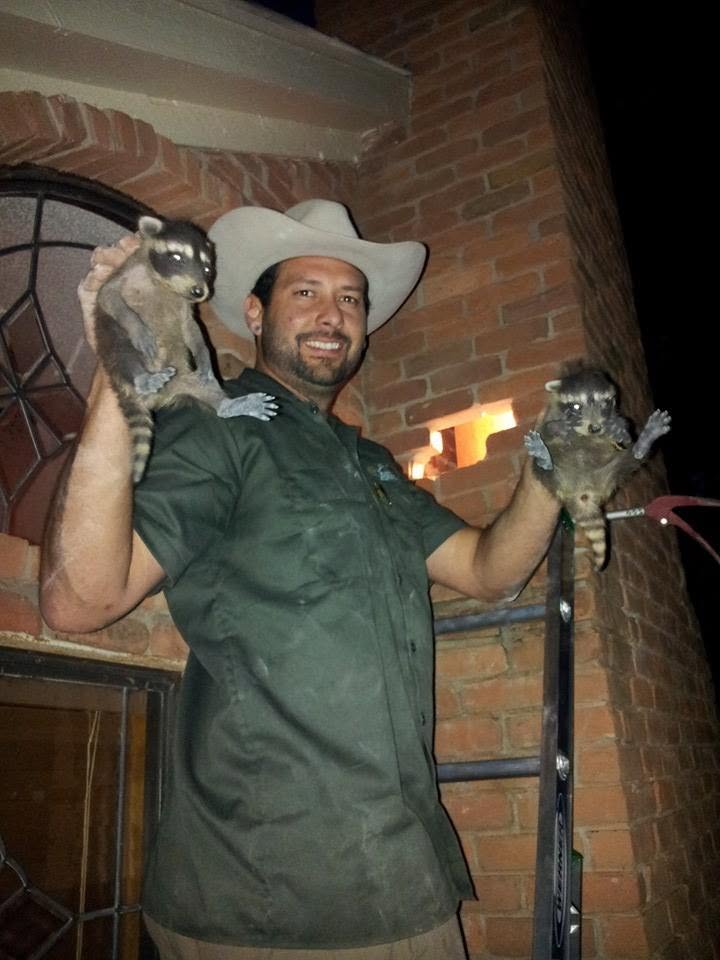
Chattering, growling, purring or a high-pitched “crying” sound in spring usually means a mother raccoon with babies (kits). Baby squirrels can also make faint squeaking sounds from a nest.
Fluttering, Flapping or Squeaking
Fluttering near vents or the roofline points to bats (especially at dusk) or birds (during the day). Bats also produce faint, high-pitched squeaks and chirps as they settle into the roost.
Noises Inside the Walls
Scratching inside walls is usually rats or mice, which travel between the attic and lower floors through wall cavities. Occasionally a squirrel or bat falls into a wall void and can’t climb back out — persistent scratching in one spot can mean an animal is trapped.
Attic Noises by Season
- Fall and winter: Squirrels, rats and mice move indoors looking for warmth and a place to store food.
- Late winter and spring: Baby season. Raccoons, squirrels and opossums seek out attics to give birth and raise young.
- Summer: Bat maternity colonies are active. In many states bats cannot be excluded during the maternity season, which makes early detection important.
Other Signs to Confirm What’s in Your Attic
Sound is a strong clue, but these signs help confirm it:
- Droppings: Small pellet-like droppings point to rodents; larger, tubular droppings concentrated in one spot point to raccoons; piles of dark, crumbly droppings under the roost point to bats.
- Entry holes: Chewed holes in soffits, fascia or vents (squirrels and rodents), torn vents or shingles (raccoons), or dark rub marks around small gaps (rats and bats).
- Odor: A strong ammonia smell from urine, or a sudden foul odor that may mean an animal has died inside.
- Stains: Yellow or brown stains on ceilings, and greasy dark smudges around entry points.
- Damage: Flattened or tunneled insulation, chewed wires, ductwork damage and nesting material.
- Sightings: Watch your roofline at dawn and dusk — you may see animals coming and going.
Get a Professional Attic Inspection
Why You Shouldn’t Ignore Noises in the Attic
- Fire risk: Rodents and squirrels chew electrical wiring.
- Health risks: Raccoon droppings can carry roundworm, and accumulated bat or bird droppings can harbor the fungus that causes histoplasmosis. Rodents can spread disease through urine and droppings.
- Property damage: Ruined insulation, torn ductwork, rotted wood and stained ceilings get more expensive the longer animals stay.
- The problem grows: One animal becomes a nest of babies, and rodent populations multiply quickly.
What to Do (and What Not to Do)
Do: note when the noises happen, look for entry points from the outside, keep pets and children out of the attic, and call a licensed wildlife removal professional.
Don’t:
- Use poison — animals often die in walls and ceilings, causing odor and insect problems.
- Seal entry holes before you know the animals (and any babies) are out.
- Rely on mothballs, ultrasonic devices or loud radios — they rarely work long term.
- Try to handle raccoons or bats yourself. Wildlife can bite or scratch, and trapping, relocation and bat removal are regulated in many states.
How Professional Attic Animal Removal Works
- Inspection: A technician identifies the animal, finds every entry point and assesses damage.
- Humane removal: Animals are removed using species-appropriate methods such as one-way exclusion doors or trapping — with special care when babies are present.
- Exclusion and repair: Entry points are sealed with durable materials so animals can’t get back in.
- Cleanup and restoration: Droppings, contaminated insulation and odors are cleaned up and the attic is sanitized.
AtticNoise.com connects homeowners with experienced wildlife removal professionals across the country. Learn more about raccoon removal, squirrel removal, bat removal, rat and mouse removal, bird removal and opossum removal, or see all wildlife removal services.
Find a Wildlife Removal Expert Near You
Frequently Asked Questions About Attic Noises
What animal makes noise in the attic at night?
Nighttime noises usually come from rats, mice, raccoons, opossums or flying squirrels — all nocturnal. Light, fast scurrying points to rodents; heavy thumping that sounds like footsteps points to a raccoon.
What animal makes noise in the attic during the day?
Daytime activity is almost always squirrels. They are busiest in the early morning and late afternoon, when you’ll hear running, scratching and the sound of nuts rolling across the attic floor.
What does it mean if I hear noises in the attic at dusk?
Sounds that start right around sunset — rustling, fluttering or faint squeaking — are the classic sign of bats leaving the roost to feed. Watch your roofline at dusk to confirm.
Can I just wait for the animal to leave on its own?
Rarely. Attics are warm, dry and safe, so animals that find one tend to stay, nest and raise young there. Every week they remain means more damage to insulation, wiring and wood, and more droppings to clean up.
Is it safe to set traps or use poison myself?
Poison is not recommended — animals often die inside walls and ceilings, causing odor and insect problems. Trapping and relocating wildlife is regulated in many states, bats are protected in many areas, and sealing entry points with animals still inside can trap babies. A licensed professional handles removal, exclusion and repairs legally and humanely.
How do animals get into the attic?
Through gaps in soffits, fascia boards, roof vents, gable vents, chimney openings, plumbing stacks and where the roof meets the siding. Bats can squeeze through a gap about the width of a pencil, mice through a hole the size of a dime, and raccoons can tear open a weak roof vent.
How much does it cost to get animals out of the attic?
Cost depends on the species, the number of entry points, how much repair and cleanup is needed, and your local market. A professional inspection gives you an exact quote — contact a local expert through our directory to schedule one.